
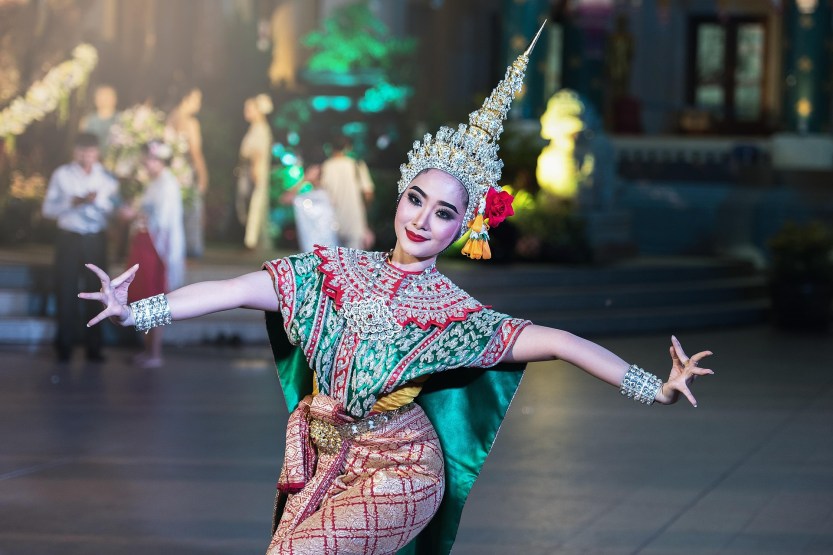
Bangkok, the vibrant capital of Thailand, is a city rich in culture, history, and tradition. For travelers, understanding the local cultural etiquette is essential to fully appreciate the city and ensure respectful interactions with its people. From temple visits to everyday social customs, this guide highlights key cultural practices that visitors should be aware of when exploring Bangkok.
One of the most important aspects of cultural etiquette in Bangkok is respect for the monarchy. The Thai royal family is deeply revered, and it is considered offensive to criticize or disrespect them in any way. Additionally, when visiting temples such as Wat Phra Kaew or Wat Arun, modest dress is required—covering shoulders and knees is a must. Removing shoes before entering sacred spaces is also customary, reflecting the reverence held for these historical sites, some dating back to the 18th century.
Greetings in Bangkok often involve the traditional “wai,” a gesture where the palms are pressed together in a prayer-like fashion accompanied by a slight bow. It is a sign of respect and is commonly used when meeting someone or thanking them. Foreign visitors are encouraged to return the gesture, though it is not mandatory. Public displays of affection are generally frowned upon, especially in more traditional or religious settings, so it is best to be discreet.
When dining, it is polite to wait for the eldest or highest-ranking person to start eating before you begin. Sharing dishes is common, and using a serving spoon rather than your personal chopsticks or spoon to take food from communal plates is appreciated. Also, pointing your feet at people or religious objects is considered disrespectful, so sitting with feet tucked away is advisable.
A frequently asked question by travelers is whether it is necessary to learn Thai phrases before visiting Bangkok. While not mandatory, learning simple greetings such as “Sawasdee” (hello) and “Khop khun” (thank you) can go a long way in showing respect and building rapport with locals. English is widely spoken in tourist areas, but an effort to use Thai phrases is often warmly received.
Respecting cultural etiquette in Bangkok enriches the travel experience and fosters positive interactions with locals. By observing local customs, visitors not only show appreciation for Thailand’s heritage but also help preserve the dignity of its traditions. Whether exploring bustling markets or serene temples, mindful behavior opens the door to a deeper connection with the city and its people.

